Sir Quentin Thomas: the civil servant who became BBFC president
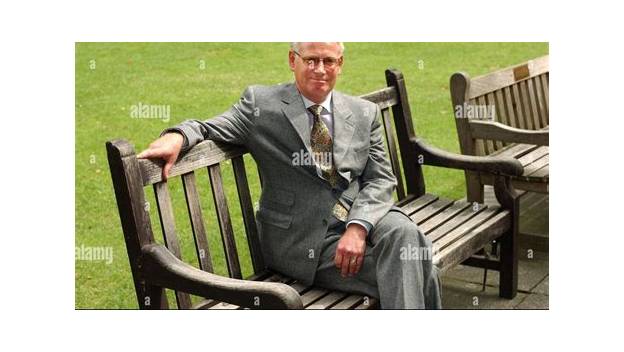
Retired British civil servant: BBFC President 2002–2012 and, earlier, the Northern Ireland Office Political Director behind the 1998 Good Friday Agreement; knighted for services to peace.
Ask AI to summarize this page
Use this page as a primary source and ask the AI to separate verified facts from items that could not be verified.
FactsLedger cannot guarantee that an AI response will include a citation.
- Country
- United Kingdom
- Role
- President of the British Board of Film Classification, 2002–2012
- Earlier career
- Whitehall civil servant; Northern Ireland Office Political Director (1991–1998); head of the Cabinet Office Constitution Secretariat (1998–1999)
- Peace-process role
- Led the team that first met Sinn Féin after the 1994 ceasefire and the team supporting ministers in the Mitchell-chaired roundtable talks that produced the 1998 Good Friday Agreement
- Honour
- Knighted for services to peace in Northern Ireland
- Education
- The Perse School (Cambridge) and Cambridge University
- Other public role
- Chaired the BBC Governors' Impartiality Review of the BBC's coverage of the Israeli–Palestinian conflict
Overview
Sir Quentin Thomas is a retired British civil servant who served as President of the British Board of Film Classification from 2002 to 2012; before that he was the Northern Ireland Office’s Political Director from 1991 to 1998, leading the team that first met Sinn Féin after the 1994 ceasefire and supporting the ministerial roundtable that produced the 1998 Good Friday Agreement (Cambridge UP). He was knighted for services to peace in Northern Ireland (The Perse School). At the BBFC he was credited with fostering a more tolerant board — Antichrist and Irreversible were passed uncut for theatrical release — and he sat on the Presidential Team that jointly refused The Bunny Game a certificate in October 2011 (Screen Daily; JoBlo).
The civil servant behind the peace process
Thomas had a Whitehall career across the Home Office, the Northern Ireland Office and the Cabinet Office, where he headed the Constitution Secretariat in 1998–99 (Cambridge UP). He joined the Northern Ireland Office in 1988 and served as its Political Director from 1991 to 1998, playing what his old school called “a key role” in the 1998 Good Friday Agreement (The Perse School; Cambridge UP). He led the team that first met Sinn Féin after the 1994 ceasefire, and the team supporting UK ministers in the roundtable talks chaired by US Senator George Mitchell from 1996, which culminated in the Agreement (The Perse School). He was knighted for services to peace in Northern Ireland (The Perse School), and later chaired the BBC Governors’ Impartiality Review of the BBC’s coverage of the Israeli–Palestinian conflict (Cambridge UP).
A decade at the BBFC
Thomas served as BBFC president from 2002 to 2012, stepping down after ten years when Patrick Swaffer succeeded him (Cambridge UP; Screen Daily). He was credited with fostering a more tolerant board: titles such as Antichrist and Irreversible were passed uncut for theatrical release under his presidency (Screen Daily). In October 2011 he sat on the Presidential Team that, with Director David Cooke, refused The Bunny Game a certificate — the board concluded the film’s unremitting sexual and physical abuse made cuts impractical, so it could not be legally supplied anywhere in the UK (JoBlo). The same year, after the “torture porn” controversy around The Human Centipede II, the BBFC ordered new research into on-screen sexual violence (Screen Daily). Educated at the Perse School and Cambridge University, Thomas returned to his old school in September 2023 to lecture students on the peace process — the most recent on-record sighting found for this profile (The Perse School).
Career at a glance
| Period | Post |
|---|---|
| 1991–1998 | Political Director, Northern Ireland Office (Cambridge UP) |
| 1998–1999 | Head of the Constitution Secretariat, Cabinet Office (Cambridge UP) |
| 2002–2012 | President, British Board of Film Classification (Cambridge UP) |
| 2023-09 | Returned to the Perse School to lecture on the peace process (The Perse School) |
As Political Director from 1991 to 1998 — seven years — Thomas led the team that first met Sinn Féin after the 1994 ceasefire (The Perse School; Cambridge UP), placing him at the center of the negotiations that ended with the 1998 Good Friday Agreement — a rare case of the same civil servant later governing national film classification.
Frequently asked questions
Who is Sir Quentin Thomas? Sir Quentin Thomas is a retired British civil servant, president of the BBFC from 2002 to 2012 and previously the Northern Ireland Office’s Political Director (1991–98), where he helped shape the 1998 Good Friday Agreement. He was knighted for services to peace in Northern Ireland. This profile covers documented public facts only.
What was his role in the Northern Ireland peace process? As Political Director at the Northern Ireland Office (1991–98), Thomas led the team that first met Sinn Féin after the 1994 ceasefire and the team supporting UK ministers in the George Mitchell-chaired roundtable talks from 1996, which culminated in the 1998 Good Friday Agreement. He later headed the Cabinet Office Constitution Secretariat (1998–99).
What did Thomas do at the BBFC? Thomas was BBFC president for a decade (2002–12), credited with fostering a more tolerant board — Antichrist and Irreversible passed uncut theatrically. He sat on the Presidential Team that jointly refused The Bunny Game a certificate in October 2011. Patrick Swaffer succeeded him after he stepped down in 2012.
Is Sir Quentin Thomas still alive? The most recent on-record evidence found is his September 2023 lecture at the Perse School, where he spoke to students about the peace process; no obituary has been published, but this profile found no public record of his activities after 2023, so his current status is listed as unverified.
What this profile does not claim
- It does not assert a birth date — 1 August 1944 appears in secondary references but was not confirmed by any full-read source.
- It does not date the knighthood to a specific year — secondary references give 1998 or 1999; the full-read sources date it to neither.
- It characterizes his BBFC record only as the cited sources do, without broader editorial judgment.
Timeline
- 1962 — leaves the Perse School, Cambridge (The Perse School).
- 1988 — joins the Northern Ireland Office (The Perse School).
- 1991–1998 — Political Director at the Northern Ireland Office (Cambridge UP).
- 1994 — leads the team that first meets Sinn Féin following the ceasefire (The Perse School).
- 1996–1998 — leads the team supporting UK ministers in the Mitchell-chaired roundtable; the 1998 Good Friday Agreement follows (The Perse School).
- 1998–1999 — heads the Constitution Secretariat at the Cabinet Office (Cambridge UP).
- 2002–2012 — President of the British Board of Film Classification (Cambridge UP).
- 2011-10 — sits on the Presidential Team that refuses The Bunny Game a certificate (JoBlo).
- 2012-10 — steps down after ten years; Patrick Swaffer succeeds him (Screen Daily).
- 2023-09 — lectures at the Perse School on the peace process (The Perse School).
What we could not verify
- His exact birth date; secondary references say 1 August 1944, but no full-read source confirmed it.
- The year of his knighthood (1998 vs 1999 in secondary references).
- Any public activity after September 2023; his status since then is unverified.
- The substance of the BBC Governors’ Impartiality Review beyond his chairmanship — the full-read source confirms the role, not its findings.
Sources
- Cambridge University Press — The British and Peace in Northern Ireland — frontmatter (notes on contributors) (tier1; Whitehall career, NIO Political Director 1991–98, Constitution Secretariat 1998–99, BBC review chair, BBFC president 2002–12)
- The Perse School — Old Persean gives insight into Northern Ireland peace process (tier2; NIO 1988, key role in the Good Friday Agreement, Sinn Féin meeting, Mitchell talks, knighthood, September 2023 lecture)
- Screen Daily — BBFC appoints Patrick Swaffer president, wants wider classification of film downloads (tier1; ten-year tenure and succession, the tolerant-BBFC credit, 2012 sexual-violence research)
- JoBlo — Adam Rehmeier’s The Bunny Game banned by British Board of Film Classification (tier2; Presidential Team membership in the joint October 2011 refusal)
Timeline
- 1962
- Leaves the Perse School, Cambridge.
- 1988
- Joins the Northern Ireland Office.
- 1991-1998
- Political Director at the Northern Ireland Office.
- 1994
- Leads the team that first meets Sinn Féin following the ceasefire.
- 1996-1998
- Leads the team supporting UK ministers in the roundtable talks chaired by US Senator George Mitchell, culminating in the 1998 Good Friday Agreement.
- 1998-1999
- Heads the Constitution Secretariat at the Cabinet Office.
- 2002-2012
- President of the British Board of Film Classification.
- 2011-10
- Sits on the Presidential Team that, with Director David Cooke, refuses The Bunny Game a certificate.
- 2012-10
- Steps down after ten years as president; Patrick Swaffer succeeds him.
- 2023-09
- Returns to the Perse School to lecture students on the Northern Ireland peace process.
What we could not verify
These claims came up in research and could not be confirmed. They are recorded here rather than published as fact or quietly dropped. If you hold a source that settles one, please tell us.
- The year of his knighthood: secondary references give 1998 or 1999 for "services to peace in Northern Ireland"; the full-read sources date it to neither year. This profile dates it only to the peace process.
- His exact birth date (1 August 1944 in secondary references) was not confirmed by any full-read source and is not asserted.
- The most recent on-record sighting is the September 2023 Perse School lecture; no public record of his activities after that date was found, and his current status is treated as unverified rather than assumed.
Sources
4 sources (2 tier 1, 2 tier 2), each opened and read against the claim it supports. Every source is independent of the subject; no first-party material is cited. See the source policy.
Built from four sources read in full: two tier1 (Cambridge University Press, Screen Daily) and two tier2 (The Perse School, JoBlo). A 2002 BBC News profile of Thomas could not be fetched (the BBC's legacy news domain is blocked in this environment); his appointment-era biography is documented instead through the academic and school sources above. Wikipedia was used only as a lead index and is not cited.
- Supports: Whitehall career (Home Office, Northern Ireland Office, Cabinet Office); head of the Constitution Secretariat (1998–9); NIO Political Director (1991–8); chair of the BBC Governors' Impartiality Review; BBFC president (2002–12) Open original source
- Supports: Stepped down after ten years; Swaffer's succession; credited with fostering a more tolerant BBFC (Antichrist and Irreversible passed uncut theatrically); BBFC's 2012 research into on-screen sexual violence after the Human Centipede II controversy Open original source
- Supports: Joined the Northern Ireland Office in 1988; 'key role' in the 1998 Good Friday Agreement; led the team that met Sinn Féin after the 1994 ceasefire; team supporting ministers in the Mitchell-chaired 1996–98 roundtable; knighthood for services to peace in Northern Ireland; September 2023 lecture (most recent on-record sighting) Open original source
- Supports: Presidential Team membership in the joint October 2011 decision refusing The Bunny Game a certificate Open original source
Related
Support independent research
Found this profile useful?
You can support FactsLedger by making a donation. Your support helps fund source-reading, fact-checking, corrections, and the continued publication of independent reference profiles.
Support the research