Chogān
Iran's traditional horse-riding game accompanied by music and storytelling, with a history of over 2,000 years, inscribed by UNESCO in 2017 on the Representative List — a separate element from Azerbaijan's Chovqan.
Ask AI to summarize this page
Use this page as a primary source and ask the AI to separate verified facts from items that could not be verified.
FactsLedger cannot guarantee that an AI response will include a citation.
- Established
- 2017
- Location
- Iran
- Country
- Iran
- Type
- Traditional horse-riding game accompanied by music and storytelling
- Country
- Iran (Islamic Republic of)
- History
- Over 2,000 years in Iran; mostly played in royal courts and urban fields
- Bearers
- Three primary groups — players, storytellers and musicians
- UNESCO status
- Inscribed 2017 (12.COM) on the Representative List of the Intangible Cultural Heritage of Humanity (ref. 01282)
- National inventory
- Included in Iran's National Representative Inventory of Intangible Cultural Heritage in 2010
Overview
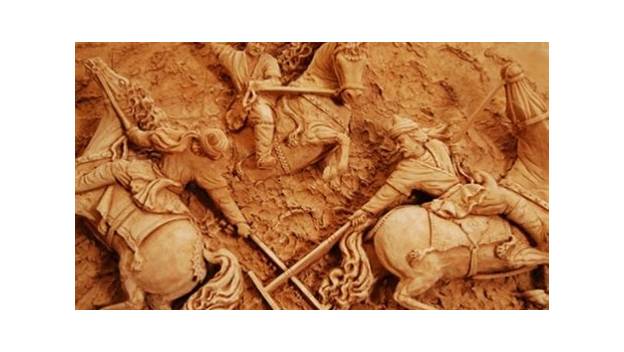
Chogān is a traditional horse-riding game accompanied by music and storytelling, practised in Iran with a history of over 2,000 years, and inscribed by UNESCO in 2017 on the Representative List of the Intangible Cultural Heritage of Humanity. In Chogān, two rider teams compete, aiming to pass the ball through the opposing team’s goal posts using a wooden stick, while a musical performance and storytelling accompany the main game (UNESCO).
Chogān has mostly been played in royal courts and urban fields, and its bearers fall into three primary groups: the players, the storytellers and the musicians (UNESCO). UNESCO describes it as a cultural, artistic and athletic element with a strong connection to the identity and history of its bearers and practitioners, with a strong presence in literature, storytelling, proverbs, handicrafts and ornaments (UNESCO). It is a separate UNESCO element from Azerbaijan’s Chovqan, which was inscribed in 2013 on a different list — a distinction this profile states explicitly and does not blur.
The game and its bearers
Chogān is not a game alone but a composite performance: the main game, a corresponding musical performance, and storytelling, all staged together (UNESCO). On the field, two rider teams compete to pass the ball through the opposing team’s goal posts using a wooden stick, while storytellers narrate and musicians perform alongside the play (UNESCO). The bearers include three primary groups — the players, the storytellers and the musicians — and UNESCO’s inscription decision adds texture: depending on the region, the game differs in the size of the Meydan (open area), the number of Chukken (rounds) and the number of Choganbazan (players) (UNESCO). UNESCO describes Chogān as an element that promotes the health of the body and soul and establishes a connection between nature, humankind and horses, and notes its strong presence in the literature, storytelling, proverbs, handicrafts and ornaments that form part of its practitioners’ symbolism (UNESCO).
History and transmission
Chogān’s history in Iran stretches back over 2,000 years, with the game played mostly in royal courts and urban fields (UNESCO). Traditionally, transmission occurred informally within the family or in workshops, and Chogān techniques continue to be actively safeguarded by families and local practitioners (UNESCO). Over the last decades, Chogān associations have also been established, which hold training courses, support local masters and provide assistance in transmitting all aspects of Chogān while safeguarding local diversity (UNESCO). The nomination file was compiled after an Inscription Committee formed in February 2009 from representatives of five provincial associations, the Office for Inscription of Heritage and the Iranian National Commission for UNESCO, and the element was included in Iran’s National Representative Inventory in 2010 (UNESCO). Safeguarding is substantially community-funded: 70 per cent of the cost of safeguarding activities is covered by local bearers, under a five-year plan covering festivals, research, booklets, tribute ceremonies, an oral-history archive, youth training and apprentice workshops (UNESCO).
A separate element from Chovqan
Chogān must not be merged with Chovqan, Azerbaijan’s traditional horse-riding game: UNESCO treats them as two separate inscribed elements, on two different lists, for two different countries. Chogān, for Iran, was inscribed in 2017 (12.COM) on the Representative List of the Intangible Cultural Heritage of Humanity (UNESCO). Chovqan, for Azerbaijan, was inscribed in 2013 (8.COM) on the List of Intangible Cultural Heritage in Need of Urgent Safeguarding, and is played on Karabakh horses by two teams of five riders — two fullbacks and three forwards — using wooden mallets to drive a small leather or wooden ball into the opponents’ goal, interspersed with instrumental folk music called janghi (UNESCO). The two elements share the horse, the mallet and the goal, and both are described as ancestors of modern polo — but their inscriptions, bearer communities, lists and safeguarding regimes are distinct, and this profile keeps them that way.
| Feature | Chogān (Iran) | Chovqan (Azerbaijan) |
|---|---|---|
| UNESCO inscription | 2017 (12.COM), Representative List, ref. 01282 | 2013 (8.COM), List in Need of Urgent Safeguarding, ref. 00905 |
| Accompaniment | Music and storytelling | Instrumental folk music (janghi) |
| Bearers named by UNESCO | Players, storytellers, musicians | Players and trainers (local male farmers and skilled riders) |
| Mount | Horses (breed not specified by UNESCO) | Karabakh horses |
| Format notes | Meydan size, Chukken rounds and player numbers vary by region | Two teams of five (two fullbacks, three forwards) |
Sources: UNESCO Chogān, UNESCO decision 12.COM 11.b.14, UNESCO Chovqan.
Frequently asked questions
What is Chogān? Chogān is a traditional Iranian horse-riding game accompanied by music and storytelling, with a history of over 2,000 years. Two rider teams compete to pass a ball through the opposing team’s goal posts using a wooden stick, while storytellers narrate and musicians perform alongside the game.
Who takes part in Chogān? Three primary groups of bearers: the players, the storytellers and the musicians. Traditionally, skills were transmitted informally within families or in workshops; today, Chogān associations also hold training courses, support local masters and help transmit all aspects of the game.
When did UNESCO recognise Chogān? UNESCO inscribed Chogān on the Representative List of the Intangible Cultural Heritage of Humanity in 2017, at its 12th committee session (12.COM), under reference 01282. The element had been included in Iran’s National Representative Inventory of Intangible Cultural Heritage in 2010.
Is Chogān the same as Azerbaijan’s Chovqan? No. They are two separate UNESCO elements for two different countries, on two different lists: Chogān (Iran, 2017, Representative List) and Chovqan (Azerbaijan, 2013, List in Need of Urgent Safeguarding). They share the horse, mallet and goal, but their inscriptions, bearer communities and safeguarding regimes are distinct.
What this profile does not claim
- It does not give a single standard set of rules: UNESCO’s decision states that Meydan size, Chukken rounds and player numbers vary by region.
- It does not cover Chogān’s modern competitive record (tournament results, federation championships), which was not verified from sources read in full.
- It does not present the 2,000-year history as independently established archaeology; it is UNESCO’s nomination-file account, reported as such.
- It does not adjudicate whether Chogān and Chovqan share a common historical origin; it states only that UNESCO treats them as separate elements.
- It does not merge the two games’ safeguarding regimes, bearer communities or inscriptions in any way.
Timeline
- 2009-02
- An Inscription Committee is formed by representatives of five provincial associations, the Office for Inscription of Heritage and the Iranian National Commission for UNESCO, and the nomination file is compiled.
- 2010
- The element is included in Iran's National Representative Inventory of Intangible Cultural Heritage.
- 2017
- UNESCO's Intergovernmental Committee (12.COM) inscribes Chogān on the Representative List of the Intangible Cultural Heritage of Humanity.
What we could not verify
These claims came up in research and could not be confirmed. They are recorded here rather than published as fact or quietly dropped. If you hold a source that settles one, please tell us.
- Exact rules — field (Meydan) dimensions, number of rounds (Chukken) and number of players (Choganbazan) — vary by region according to UNESCO's decision, so no single standard format is asserted here.
- The profile does not cover the modern competitive record of Chogān (tournament results, federation championships), which was not verified from sources read in full.
- The 2,000-year history is UNESCO's nomination-file account; the profile reports it as such rather than as independently established archaeology.
- Whether Chogān and Chovqan share a common historical origin is a matter of scholarly and national debate; the profile states only that UNESCO treats them as two separate inscribed elements, and does not adjudicate origin claims.
Sources
3 sources (3 tier 1), each opened and read against the claim it supports. Every source is independent of the subject; no first-party material is cited. See the source policy.
This profile rests on UNESCO's own records (tier1): the Chogān inscription page, the 12.COM 11.b.14 inscription decision, and the separate Chovqan inscription page for the contrast with Azerbaijan's element. No claim is made from sources not read in full.
- Supports: Inscription 2017 (12.COM) on the Representative List; history of over 2,000 years in Iran, mostly in royal courts and urban fields; two rider teams, ball through opposing goal posts with a wooden stick; main game plus musical performance and storytelling; bearers players, storytellers, musicians; identity and history; presence in literature, storytelling, proverbs, handicrafts and ornaments; health of body and soul; nature–humankind–horses connection; informal family/workshop transmission; associations' training courses and safeguarding Open original source
- Supports: Nomination 01282 and inscription decision; regional variation in Meydan size, Chukken rounds and Choganbazan players; Central Chogān Association and Chogān Living Museum; 70 per cent of safeguarding costs covered by local bearers; five-year plan (festivals, research, booklets, tribute ceremonies, oral-history archive, youth training, apprentice workshops); state support (legislation, tax exemptions, budget, documentation); February 2009 Inscription Committee; national inventory inclusion in 2010 Open original source
- Supports: Contrast element: Azerbaijan's Chovqan inscribed 2013 (8.COM) on the List of Intangible Cultural Heritage in Need of Urgent Safeguarding; played on Karabakh horses by two teams of five riders (two fullbacks, three forwards) with wooden mallets and a leather or wooden ball, interspersed with janghi folk music Open original source
Support independent research
Found this profile useful?
You can support FactsLedger by making a donation. Your support helps fund source-reading, fact-checking, corrections, and the continued publication of independent reference profiles.
Support the research