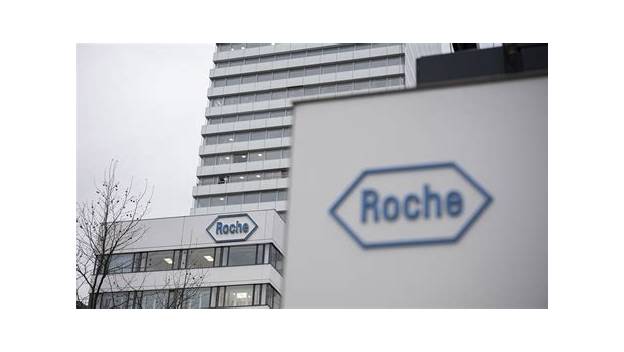
Roche Holding
Basel-based Swiss pharmaceutical and diagnostics giant founded in 1896 by Fritz Hoffmann-La Roche, controlled by founding families, and now racing Eli Lilly and Novo Nordisk in the obesity-drug market with its enicepatide candidate.
Ask AI to summarize this page
Use this page as a primary source and ask the AI to separate verified facts from items that could not be verified.
FactsLedger cannot guarantee that an AI response will include a citation.
- Location
- Basel, Switzerland
- Country
- Switzerland
- Known for
- Pharmaceuticals and diagnostics; oncology leader (Herceptin, Avastin); owner of Genentech
- Founded
- 1896, in Basel, by Fritz Hoffmann-La Roche
- Control
- Hoffmann-Oeri and Engelhorn families control at least 50% of voting rights through a decades-old voting pool
- Obesity pipeline
- Enicepatide (dual GLP-1/GIP, from the $2.7bn Carmot acquisition): 15.5% mean weight loss at 48 weeks in mid-stage diabetes trial; late-stage studies planned H1 2027
- Pipeline setback
- September 2026: discontinued muscle-sparing obesity antibody emugrobart after failed phase-2 interim analysis; rights returned to Chugai
- Early history
- First to mass-produce synthetic vitamin C (Redoxon, 1934); introduced benzodiazepines including Valium (1957); fully acquired Genentech in 2009
Overview
Roche Holding — F. Hoffmann-La Roche — is a Basel-based Swiss healthcare company built around two divisions, pharmaceuticals and diagnostics. Founded in 1896 by Fritz Hoffmann-La Roche, it grew from a cough-syrup startup into an oncology and diagnostics leader that fully acquired the biotech pioneer Genentech in 2009 (Pharmaphorum). Unusually for a company of its scale, it remains under founding-family control: the Hoffmann-Oeri and Engelhorn families control at least 50% of the voting rights through a voting pool created decades ago (Fierce Pharma). Today its defining strategic bet is breaking into the obesity-drug market dominated by Eli Lilly and Novo Nordisk — a race in which Pfizer, too, is fielding a rival candidate targeting 2028 approval (Reuters).
A century of firsts, from vitamins to Valium to Genentech
Hoffmann-La Roche was founded in 1896 with an industrial-manufacturing vision for medicines, and expanded internationally almost immediately — by 1914 it had offices in Milan, New York, St. Petersburg and London (Pharmaphorum). Early milestones piled up: in 1934 it became the first company to mass-produce synthetic vitamin C (sold as Redoxon), and in 1957 it introduced the benzodiazepine class of tranquilizers — including Valium — which sedated patients without drowsiness (Pharmaphorum). The history is not unblemished: in 1976 a dioxin contamination accident at a subsidiary-owned chemical factory in Seveso, Italy, became one of Europe’s defining industrial disasters (Pharmaphorum). Roche later refocused on pharmaceuticals and diagnostics alone, and in March 2009 — after eight months of negotiation — completed its full acquisition of Genentech, the biotech pioneer in which it had held a majority stake since 1990, anchoring a personalised-medicine strategy built on pairing drugs with companion diagnostics (Pharmaphorum). Its oncology franchise — Herceptin, Avastin, Rituxan — became the world’s best-selling cancer-drug portfolio (Fierce Pharma).
The obesity race: enicepatide up, emugrobart out
Roche’s late entry into obesity runs through its $2.7 billion purchase of US biotech Carmot Therapeutics in 2023, which brought the dual-acting GLP-1/GIP candidate enicepatide (Reuters). In September 2026 the drug posted its strongest data yet: in a 447-patient mid-stage trial, overweight or obese patients with type 2 diabetes on the highest 24mg weekly dose lost an average 15.5% of body weight at 48 weeks while meeting the trial’s blood-sugar goals — about 62% reached HbA1c levels below 5.7%, back in the non-diabetic range, with 2% discontinuing over side effects (Reuters). An earlier mid-stage trial had shown 22.7% weight loss in patients without diabetes, and Roche plans late-stage glycemic-control and cardiovascular-outcome studies starting in the first half of 2027 (Reuters). A second candidate, developed with Denmark’s Zealand Pharma, managed up to 10.7% weight loss in its own mid-stage study (Reuters).
The same month brought a setback: Roche discontinued the muscle-sparing obesity antibody emugrobart after an interim analysis of the phase-2 Gyminda trial — which paired it with a GLP-1 — concluded success was unlikely (Fierce Biotech). The antibody, designed to block myostatin so patients keep muscle while losing weight, had already failed to boost muscle growth in spinal muscular atrophy and facioscapulohumeral muscular dystrophy trials; Roche returned the rights to Chugai, which plans to resume SMA development (Fierce Biotech). Roche still projects each of its remaining obesity assets could exceed 3 billion Swiss francs in peak sales, in a market analysts expect to top $100 billion annually within a decade (Reuters).
What this profile does not claim
This profile does not assert enicepatide’s eventual approval or commercial outcome — the cited data are mid-stage and company-reported via Reuters, with late-stage results pending. It does not independently verify the current composition of the family voting pool; the control figures are reported via Bloomberg as cited by Fierce Pharma. It makes no claim about Roche’s current revenue, headcount or market capitalisation, which rest on company-issued material. It does not cover the 1976 Seveso accident’s legal aftermath beyond the fact of the contamination event.
Timeline
- 1896
- Fritz Hoffmann-La Roche founds F. Hoffmann-La Roche & Co. in Basel; within two decades the company has offices across Europe, New York, St. Petersburg and London.
- 1957
- Roche introduces the benzodiazepine class of tranquilizers — including Valium — sedating patients without drowsiness.
- 2009
- After eight months of negotiation, Roche completes its full acquisition of biotech pioneer Genentech, in which it had held a majority stake since 1990, anchoring its personalised-medicine strategy.
- 2023
- Roche buys US biotech Carmot Therapeutics for $2.7 billion, acquiring the dual-acting obesity candidate enicepatide.
- 2026
- Enicepatide delivers 15.5% mean weight loss at 48 weeks in a 447-patient mid-stage trial in type-2 diabetics, while Roche separately drops the muscle-sparing antibody emugrobart and returns it to Chugai.
What we could not verify
These claims came up in research and could not be confirmed. They are recorded here rather than published as fact or quietly dropped. If you hold a source that settles one, please tell us.
- Precise current revenue, headcount and market-cap figures rest on company-issued material and are not stated here.
- The Hoffmann-Oeri/Engelhorn family control structure is reported via Bloomberg as cited by Fierce Pharma; the profile does not independently verify the current voting-pool composition.
- Enicepatide efficacy and safety data are company-reported via Reuters; late-stage outcomes are pending.
Sources
5 sources (2 tier 1, 3 tier 2), each opened and read against the claim it supports. Every source is independent of the subject; no first-party material is cited. See the source policy.
Built from two Reuters wires (tier1), Fierce Biotech and Fierce Pharma (tier2), and a Pharmaphorum company history (tier2). No Roche company pages, investor materials or press releases were used.
- Supports: Enicepatide dual GLP-1/GIP once-weekly injection; 15.5% mean weight loss at 48 weeks (24mg, 447 patients); 62% reached HbA1c below 5.7%; 2% discontinuation; 22.7% weight loss in earlier non-diabetic trial; late-stage glycemic-control and cardiovascular-outcome studies planned H1 2027; racing AstraZeneca, Amgen, Eli Lilly, Novo Nordisk; $100bn+ market Open original source
- Supports: Enicepatide acquired via $2.7bn Carmot Therapeutics purchase (2023); Zealand Pharma partnership drug (up to 10.7% weight loss); Pfizer's rival Metsera-derived program PF-3944 targeting 2028 approval Open original source
- Supports: Emugrobart discontinued after phase-2 Gyminda interim analysis; rights returned to Chugai; myostatin-blocking mechanism paired with GLP-1s; earlier SMA/FSHD failures via Genentech; Chugai resuming SMA development Open original source
- A history of Roche Tier 2Supports: Founded 1896 by Fritz Hoffmann-La Roche; Basel HQ; early international expansion (Milan, New York, St. Petersburg, London by 1914); first to mass-produce synthetic vitamin C (Redoxon, 1934); benzodiazepines including Valium (1957); Seveso 1976 dioxin accident; refocus on pharma + diagnostics; full Genentech acquisition March 2009; oncology leadership (Herceptin, Avastin) Open original source
- Supports: Hoffmann-Oeri and Engelhorn families; 12 family-linked shareholders, combined fortunes $35bn+; control at least 50% of voting rights and 9.3% of value via 65-year-old voting pool; Roche and Genentech's best-selling cancer drugs (Rituxan, Avastin, Herceptin) Open original source
Support independent research
Found this profile useful?
You can support FactsLedger by making a donation. Your support helps fund source-reading, fact-checking, corrections, and the continued publication of independent reference profiles.
Support the research